
Energy Efficient Materials for Roofing: A Comprehensive Guide
Choosing the right roofing material is crucial for maintaining a comfortable home environment and reducing energy costs. With rising energy prices and growing environmental concerns, many homeowners and builders are turning to energy-efficient roofing options. These materials help regulate indoor temperatures, reduce heat absorption, and lower cooling and heating expenses. This guide explores various energy-efficient roofing materials, their benefits, drawbacks, and practical tips for selecting the best option for your home.
Understanding Energy Efficient Materials for Roofing
Energy-efficient roofing materials are designed to reflect more sunlight and absorb less heat than traditional roofing products. This characteristic helps keep buildings cooler during hot weather, reducing the need for air conditioning and lowering energy bills. Additionally, some materials provide better insulation, helping retain heat during colder months.
Common features of energy-efficient roofing materials include:
High solar reflectance: The ability to reflect sunlight away from the roof surface.
High thermal emittance: The ability to release absorbed heat quickly.
Durability: Long-lasting materials that maintain their energy efficiency over time.
Sustainability: Often made from recycled or environmentally friendly components.
Examples of energy-efficient roofing materials include metal roofing, cool roof coatings, clay and concrete tiles, and rubber roofing membranes.

Popular Energy Efficient Materials and Their Benefits
Metal Roofing
Metal roofs are highly reflective and can reduce cooling costs by up to 25%. They are durable, lightweight, and recyclable, making them an eco-friendly choice. Metal roofing is available in various colors and finishes, allowing homeowners to select options with high solar reflectance.
Benefits:
Reflects solar radiant heat effectively.
Long lifespan (40-70 years).
Resistant to fire, mildew, insects, and rot.
Lightweight and easy to install over existing roofs.
Clay and Concrete Tiles
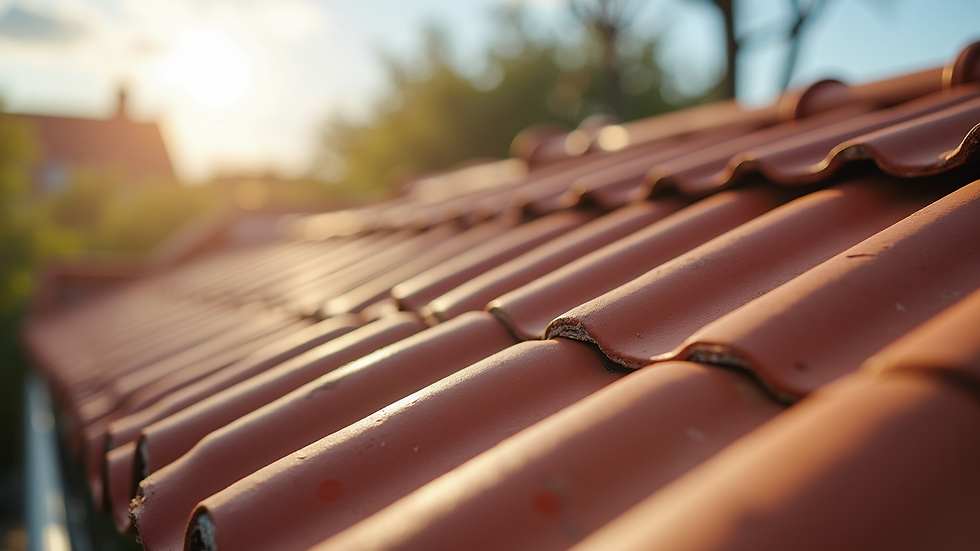
Clay and concrete tiles have natural thermal properties that help regulate indoor temperatures. Their dense composition provides excellent insulation, keeping homes cooler in summer and warmer in winter.
Benefits:
High thermal mass reduces temperature fluctuations.
Durable and fire-resistant.
Available in various styles and colors.
Low maintenance requirements.
Cool Roof Coatings
Cool roof coatings are reflective paints or coatings applied to existing roofs to improve their energy efficiency. They are cost-effective and can be used on various roofing materials, including asphalt and metal.
Benefits:
Increases roof reflectivity.
Reduces roof surface temperature.
Extends roof life by protecting against UV damage.
Easy to apply and maintain.
Rubber Roofing (EPDM)
Rubber roofing, particularly EPDM (ethylene propylene diene monomer), is a popular choice for flat or low-slope roofs. It is durable, waterproof, and can be coated with reflective materials to improve energy efficiency.
Benefits:
Excellent waterproofing properties.
Durable and resistant to weathering.
Can be coated for increased reflectivity.
Easy to install and repair.
What is the downside of a rubber roof?
While rubber roofing offers many advantages, it also has some drawbacks that homeowners should consider:
Aesthetic limitations: Rubber roofs are typically black or dark-colored, which can absorb heat unless coated with reflective materials.
Potential for punctures: Sharp objects or heavy foot traffic can damage the membrane.
Seam issues: Improper installation can lead to seam failures and leaks.
Environmental concerns: Although durable, rubber roofing is made from synthetic materials that may not be biodegradable.
Despite these downsides, rubber roofing remains a practical option for many commercial and residential buildings, especially when combined with reflective coatings to enhance energy efficiency.
How to Choose the Right Energy Efficient Roofing Material
Selecting the best roofing material depends on several factors, including climate, budget, roof slope, and aesthetic preferences. Here are some tips to guide your decision:
Assess your climate: In hot climates, prioritize materials with high solar reflectance and thermal emittance. In colder regions, focus on materials with good insulation properties.
Consider roof design: Flat roofs may benefit from rubber membranes or cool roof coatings, while sloped roofs can accommodate metal, tile, or asphalt shingles.
Evaluate durability and maintenance: Choose materials that fit your willingness to maintain and repair the roof over time.
Check local building codes: Some areas have regulations or incentives for energy-efficient roofing.
Budget wisely: While some materials have higher upfront costs, they may offer long-term savings through reduced energy bills.
Consulting with a roofing professional can help you balance these factors and select the most suitable energy-efficient roofing materials for your home.
Practical Tips for Maximizing Roof Energy Efficiency
Beyond choosing the right material, there are additional steps to improve your roof’s energy performance:
Install proper insulation: Good insulation beneath the roof reduces heat transfer.
Use ventilation systems: Attic ventilation helps remove hot air and moisture.
Apply reflective coatings: Even existing roofs can benefit from cool roof coatings.
Maintain your roof regularly: Clean debris and repair damage promptly to preserve efficiency.
Consider green roofing: Plant-covered roofs provide natural insulation and reduce heat absorption.
By combining these strategies with energy-efficient roofing materials, homeowners can significantly reduce energy consumption and enhance indoor comfort.
Energy-efficient roofing materials are a smart investment for anyone looking to reduce energy costs and environmental impact. Whether you choose metal, tile, rubber, or coatings, understanding the benefits and limitations of each option will help you make an informed decision. Remember to consider your local climate, roof type, and budget to find the best fit for your home.

Explore more about energy efficient roofing materials to find the perfect solution for your roofing needs.


Comments